AIforHer at ICO: AI serving pathologists
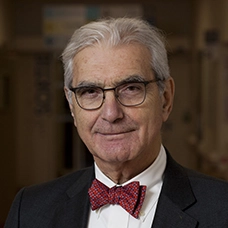
Interview with Morgane Ménard and Antoine Guyonvarch (Impulse by ICO) on a clinical study in which pathologists shape the technology.

Today, identifying breast cancer patients with low or very low expression of the HER2 biomarker (HER2-low or ultralow) still relies largely on pathologists' optical analysis. With the digitalisation of pathology, artificial intelligence algorithms are coming onto the market, some of them for this specific biomarker. But these solutions still need to perform well and fit seamlessly into pathologists' day-to-day work. Technological innovation often fails the test of real-world use.
Find out how the Institut de Cancérologie de l'Ouest (ICO), through its accelerator Impulse by ICO and with institutional support from AstraZeneca and Daiichi Sankyo, structured the AIforHer challenge: a clinical study in which pathologists experience their profession of tomorrow.
The Impetus: A synergy between the medical field and industry
One thing became clear during our conversation with Morgane Ménard (Head of the IMPULSE accelerator and of the innovation department at ICO) and Antoine Guyonvarch (Digital Health Innovation Project Manager at the IMPULSE accelerator): this project was not born of a simple desire to "do AI". It is the result of a synergy orchestrated by their team between a medical need identified by an ICO physician and the industrial will of AstraZeneca and Daiichi Sankyo to give every patient access to the most suitable therapy, as early as possible.

Morgane and Antoine stressed that the involvement of pathologists is fundamental to ensure the tools perform well, but also that they are usable in daily practice. The study should help understand which parameters do or do not lead to good integration into practice (ergonomics, performance, decision support, robustness…)

The regulatory & clinical context: The need for evidence
The ambition of AIforHer required going beyond the usual framework of calls for projects. This challenge is a fully-fledged clinical study, backed by a rigorous scientific and regulatory methodology.
Therapeutic innovation, with the arrival of antibody-drug conjugates, requires diagnostic classification of unprecedented precision. To take part, candidate start-ups could not simply present algorithmic concepts. Morgane, Antoine and the whole project team set precise eligibility criteria: solutions had to demonstrate advanced technological maturity, with CE marking (or an international equivalent) obtained or in progress.
The aim of this prerequisite is to test and compare mature technologies against the hard reality of a clinical setting. The institutional challenge for ICO and its industrial partners is to generate solid evidence of the added value of these tools. This robust data is essential to eventually define national guidelines for the routine use of AI, and even future reimbursement models.
From theoretical performance to the test of the workflow
To meet this challenge, the Institut de Cancérologie de l'Ouest and its accelerator Impulse by ICO designed a rigorous clinical evaluation methodology, divided into two distinct phases.
The evidence-based approach (Phase A): Of the handful of start-ups worldwide with technology capable of specifically detecting the HER2-low and ultralow biomarker, seven were selected. During this first phase, their algorithms were evaluated on pure performance against two world references: three experts from GEFPICS (the French study group on immunohistochemical prognostic factors in breast cancer) and Labcorp, a laboratory specialising in medical biology testing. The two start-ups Ibex Medical Analytics and Lunit achieved the best results and were selected for the second phase of the project.
The real-use crash test (Phase B - March to June 2026): This is where the real value creation of the AIforHer challenge takes place. The two finalist start-ups are no longer judged solely on their quantitative performance (biomarker classification), but also on their qualitative performance (ergonomics, acceptability, robustness…). They were tested by 4 ICO pathologists on a retrospective cohort of 200 patients.

The goal of this real-world experiment? To prove tangible, measurable benefits for healthcare professionals, in particular:
- Actual medical time saved.
- The ergonomics and fluidity of the interface (UI/UX).
- The level of confidence the physician places in the diagnosis suggested by the machine.
These results (KPIs), currently confidential, will be revealed when the project's scientific findings are published. They will form the basis for the facility's decision on whether to acquire the solution.
The Strategic Vision: The pharmaceutical industry beyond the molecule
This clinical challenge reflects a major structural shift in the industrial model in oncology. It shows that for an innovative therapy to reach its full potential, the pharmaceutical company can no longer focus solely on its molecule: it must invest heavily in the care ecosystem around it.
By funding an open, rigorous diagnostic challenge led by a French Comprehensive Cancer Centre (through Impulse by ICO), AstraZeneca and Daiichi Sankyo bring the Beyond the Pill approach to life. They show that a pharmaceutical company's value proposition now lies in securing the patient's entire care pathway.
If the industry is now funding AI to better diagnose patients eligible for a treatment, this logic of efficiency applies to the entire medical trajectory. The pharmaceutical industry is taking on its role as overall architect, funding the "enablers" needed for precision medicine to become an operational reality in healthcare facilities.

Satisfied patients and doctors
“Jinko is my new haven of peace.
The kindness, the listening, the care, the follow-up, the practitioners… The nurses are very attentive, always ready to help, to improve the follow-up and adapt it. Jinko helps me every day: I have been able to take up (adapted) physical activity again and take back control of my body.
Thank you to the whole team who welcomed me into the care pathway.”
“Jinko is a precious, essential and beneficial resource for anyone living with cancer or in remission. The care pathway offered is tailored to my needs, I discovered new therapies, and the network of selected practitioners is of very high quality: attentive, empathetic, supportive, caring… Thank you to the whole Jinko team for your commitment, your support, your humanity and the strength you give us!”
“Jinko was a precious support for me during my cancer treatment, filling the gaps that often exist in medical follow-up. The team stands out for its empathy, compassion and commitment to supporting patients in every aspect of their lives, during and after treatment. Thank you to Sophie and the whole team for their exceptional humanity and unmatched availability.”

“Jinko works hard to understand patients’ needs as closely as possible and knows how to support them at the right time, in the right way. Doctors need people to take over from them, and it is a very good thing that Jinko has taken this initiative.”