Beyond activity-based pricing (T2A): Article 51 put to the test of generalisation
From fee-for-service to shared bundled payments: a complex shift to finally fund caregivers' time and reshape healthcare economics.
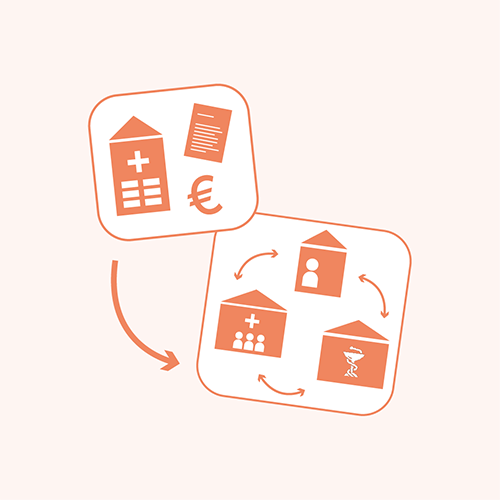
We are living through a period of major strategic dissonance. On the one hand, oncology is rolling out precision therapies and oral anticancer drugs that are turning cancer into a chronic disease. On the other, hospital funding remains stuck in T2A (activity-based pricing), a model designed more than 20 years ago for acute care and surgery.
The result? Constant friction on the ground. The current model pays for the technical procedure, but leaves a gaping blind spot: it does not fund what has become crucial for patients' survival and quality of life (human time, prevention, coordination and the link between hospital and community care).
Article 51 was created in 2018 to fill this gap. Designed as a derogatory framework to test pathway-based payment, it has proven that this new economic model is viable. But today, the time for innovation utopia is over: the scheme is hitting the wall of reality. If the entry ticket to launch these experiments was already high, their exit ticket — the famous generalisation into ordinary law — is turning out to be a real administrative obstacle course.
1. T2A: An engine unsuited to the long term
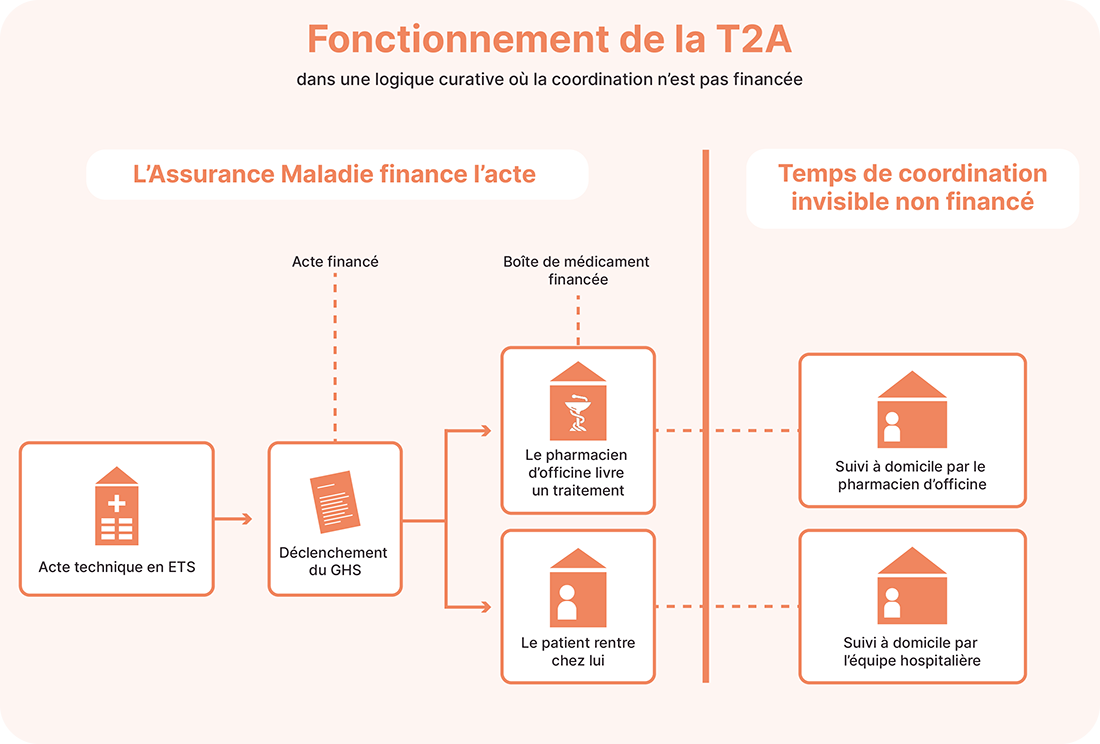
T2A works on a binary logic: the patient is hospitalised, a procedure is performed, the facility is paid. That works well for treating a fracture. But for following up cancer or a complex chronic disease, this logic shows its limits.
- The perverse effect: To balance their books, facilities have historically been encouraged to multiply physical hospital visits.
- The missing link: Everything that allows patients to remain stable at home — therapeutic education, toxicity monitoring, liaison with the community pharmacist — is not financially recognised.
- The consequence: For a hospital, succeeding in the shift to outpatient care often means seeing its T2A revenue fall, with no compensation for the coordination work done remotely.
2. Article 51: Finally funding coordination time
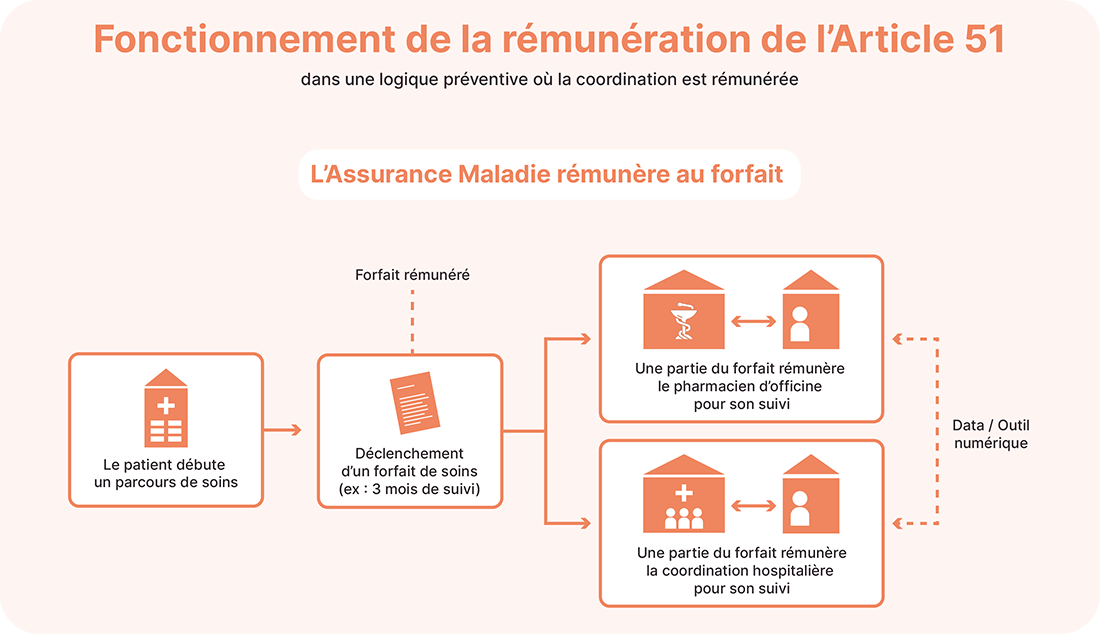
The breakthrough of Article 51 is about people. For the first time, funding models (bundled payments or episodes of care) are allowed that pay for the intellectual and logistical time of caregivers.
- For oncologists: The time spent analysing remote monitoring data or consulting with community care professionals is finally recognised.
- For community pharmacists: They are no longer paid only per box dispensed, but per clinical act (consultation, medication review, toxicity detection), establishing an unprecedented dialogue with the hospital.
- For coordination teams (coordinating nurses): Their pivotal role moves out of the cost line to become an active component of the revenue model.
3. The "Reality Check": Many are called, few are chosen
Article 51 should not be idealised: it is not a magic solution, it is an obstacle course. The end goal — generalisation into ordinary law (permanent reimbursement) — is extremely hard to reach.
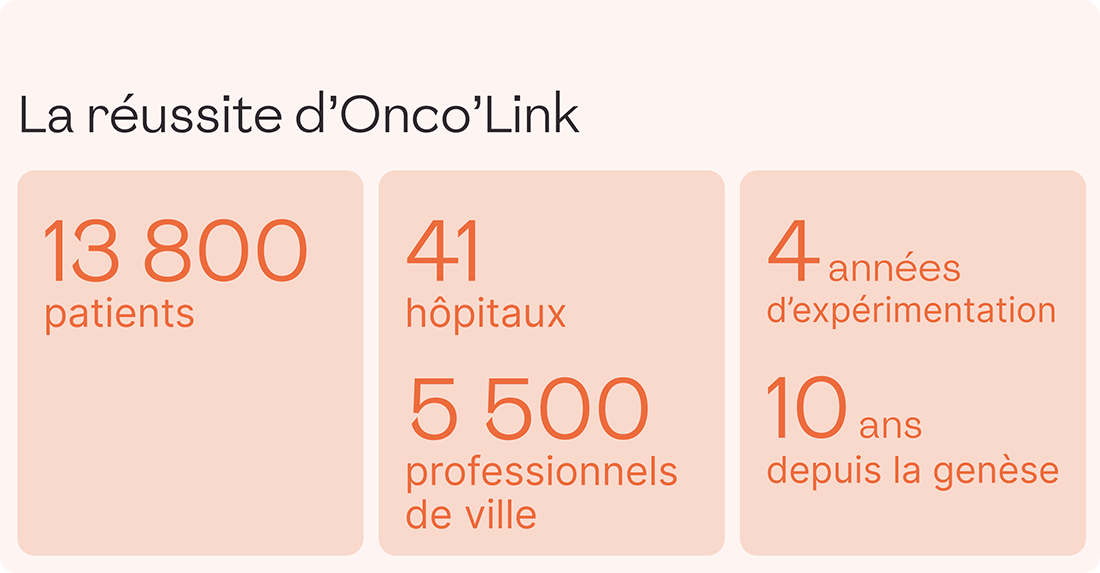
The figures behind the recent success of Onco'Link illustrate the level of rigour required to convert the try:
- An essential critical mass: More than 13,800 patients had to be enrolled to prove the robustness of the model.
- A massive mobilisation: 41 hospitals and 5,500 community care professionals had to be aligned on the same protocol.
- The test of time: It took 4 years of experimentation to obtain validation.
Generalisation is therefore not automatic. In fact, despite the official green light from the CTIS and CSIS, the battle is not yet fully won for Onco'Link: an 18-month "transition period" is now opening to define the exact funding arrangements before final, permanent integration into ordinary law.
4. The Pharmaceutical Industry: No bundled funding without measuring value
For the industry, this shift towards pathway-based funding is a strong signal. If the State agrees to pay coordination bundles, it will demand something in return: proof of efficiency.
No blank cheques will be signed. To make these models last, it must be possible to measure objectively that the patient's trajectory is secure. PROMs and real-world evidence (RWE) collection are no longer research options, but the management tools that justify the funding. Without data proving that the patient is doing well at home, the model collapses.
💡 FOCUS: Is Article 51 running out of steam?
Created in 2018 to break away from the dogma of fee-for-service payment (T2A), Article 51 is no longer new. While its ambition remains intact, the scheme is now going through a genuine "growth crisis" and is hitting the generalisation wall.
The main point of friction? Administrative slowness. Between submitting an idea, the 5 years of experimentation, complex evaluations (to prove "zero extra cost" for the national health insurance) and final integration into ordinary law, nearly 10 years often go by.
This delay, embodied by the uncertainty of 18-month "transition periods", exhausts teams on the ground and holds back industrial investment. Today, the challenge for the State is no longer to accumulate new micro-experiments, but to urgently cut red tape for those that have already proven their effectiveness (such as Onco'Link or AKO@dom).
Find out more: read the article on the Onco'Link Article 51 case study
Sources:
- On the "Article 51" scheme (innovation framework):
- Source: French Ministry of Health and Prevention.
- Link: Innovation in healthcare - Article 51 (Ministry website)
- On activity-based pricing (T2A):
- Source: French Ministry of Health and Prevention / ATIH.
- Link: Understanding T2A (French Technical Agency for Hospital Information)
- Unicancer press release: "Onco'Link: the national experiment led by Unicancer validated for generalisation into ordinary law", 6 November 2025. (Source: Unicancer data, press release of 6 November 2025).

Satisfied patients and doctors
“Jinko is my new haven of peace.
The kindness, the listening, the care, the follow-up, the practitioners… The nurses are very attentive, always ready to help, to improve the follow-up and adapt it. Jinko helps me every day: I have been able to take up (adapted) physical activity again and take back control of my body.
Thank you to the whole team who welcomed me into the care pathway.”
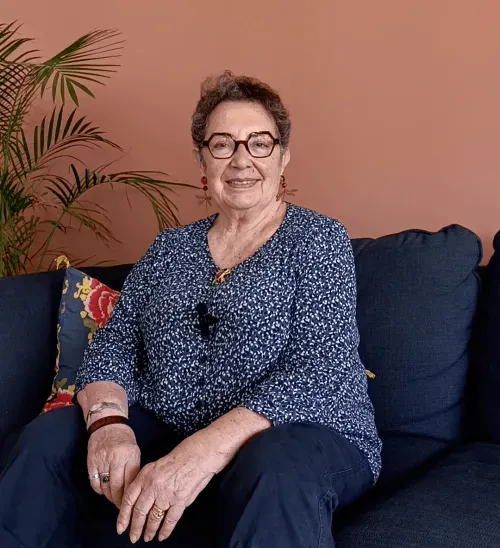
“Jinko is a precious, essential and beneficial resource for anyone living with cancer or in remission. The care pathway offered is tailored to my needs, I discovered new therapies, and the network of selected practitioners is of very high quality: attentive, empathetic, supportive, caring… Thank you to the whole Jinko team for your commitment, your support, your humanity and the strength you give us!”
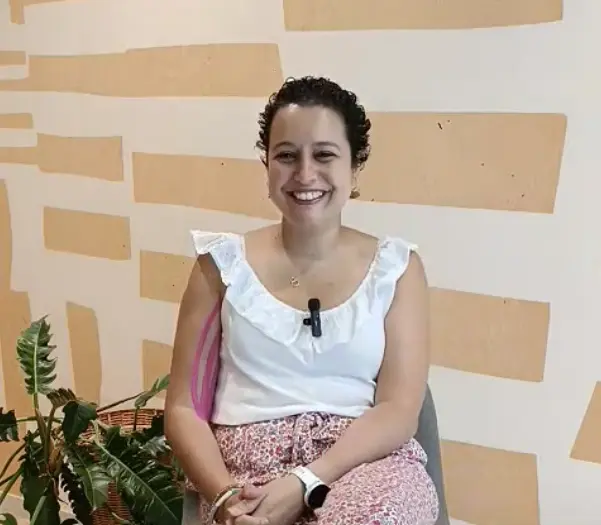
“Jinko was a precious support for me during my cancer treatment, filling the gaps that often exist in medical follow-up. The team stands out for its empathy, compassion and commitment to supporting patients in every aspect of their lives, during and after treatment. Thank you to Sophie and the whole team for their exceptional humanity and unmatched availability.”
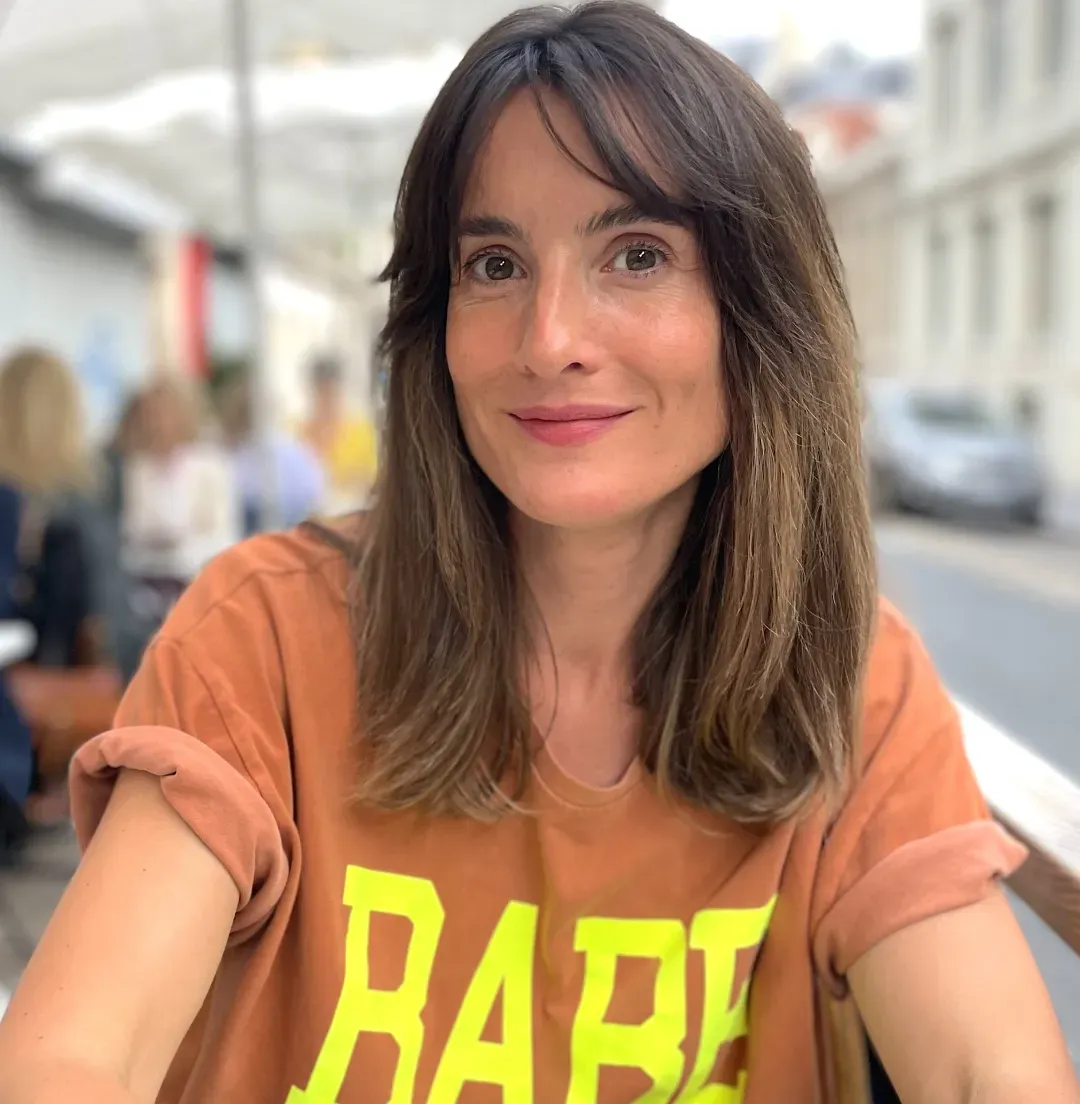
“Jinko works hard to understand patients’ needs as closely as possible and knows how to support them at the right time, in the right way. Doctors need people to take over from them, and it is a very good thing that Jinko has taken this initiative.”