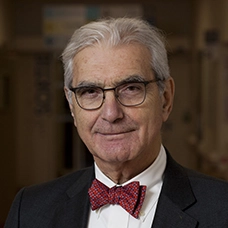
Service design in healthcare: why humility has become key to pharma success, with Muriel Benitah of MedInTechs
A conversation with Muriel Benitah of MedInTechs on how the healthcare ecosystem is changing and the real conditions for adopting innovation.

12,000 visitors, 300 partners and one clear ambition: putting people back at the centre of an ultra-technological healthcare system. With 433,000 new cancer cases diagnosed every year in France, Muriel Benitah, co-founder of MedInTechs, delivers a blunt verdict: innovation can no longer be content with being a technical feat; it must demonstrate its ability to fit concretely into practices and care pathways.
In this conversation, she explains the urgency of breaking down silos and adopting a genuine culture of "Healthcare Design", rooted in the operational realities of the field.
The signal: from finance to healthcare, the urgency of breaking down silos
Muriel Benitah does not come from a medical background. A former banker specialising in technological innovation, she picked up a "weak signal" five years ago: healthcare was going through its digital revolution, but remained trapped in outdated structures, and in a growing gap between technological innovation and the real capacity to adopt it on the ground.
"In banking, you don't push products: you make sure they match customers' real needs," she explains. Transposing this vision to healthcare, she founded MedInTechs with one conviction: innovation is useless if it is held back by human or behavioural barriers, or if it cannot find its place in existing organisations.
The show's meteoric success (from 6,000 to 12,000 participants) proves that the ecosystem, from major pharmaceutical companies to engaged citizens, is ready to break down silos and finally work together, around a logic of use and concrete impact.

The evidence: The end of "gadget" innovation and the "Pretext Patient"
For too long, the sector has suffered from what Muriel calls the "Pretext Patient": solutions designed in a vacuum by engineers or marketers, in which the patient is used only as a final argument to support a reimbursement file or a sales pitch, without being genuinely involved in the design.
The end of "gadget" innovation is not wishful thinking at MedInTechs, it is a prerequisite. The show applies a rigorous selection based on Evidence-Based Medicine: no solution is admitted unless it provides solid scientific or clinical evidence, and a demonstrated ability to be used in real-life conditions.
In the same spirit, the 2026 edition of MedInTechs marks a turning point with the launch of the MedInTechs Society Congress. The goal? To safeguard Evidence-Based Medicine while bringing scientific evidence and real-world use closer together. For Muriel, innovation must no longer be a promise, but validated data.
With the rise of oral treatments and chronic disease (particularly in oncology), care now takes place "outside the walls". In this context, an app that is not used or a service that does not address the patient's real fatigue is, by definition, an industrial failure, even if the technology performs well.
This shift towards pure usefulness is reflected in the figures: while attendance was historically split 50/50 between the general public and professionals, today it is made up of 70% healthcare ecosystem players, looking for concrete solutions that can be activated immediately.
2026 benchmark: no point innovating without a real need

The 2026 edition highlighted solutions that stand out for their direct usefulness rather than artificial complexity:
- Ziwig: A saliva test for endometriosis that ends years of diagnostic wandering.
- Pulse and More: Home ultrasound under medical supervision, saving lives in high-risk pregnancies.
- Experimentation Hubs: Led by AP-HP - @Hotel dieu and the Hospices Civils de Lyon, these schemes make it possible to test innovation in situ, at the heart of hospitals, to ensure that the tool does not "reinvent the wheel" where a simple solution already exists, and to secure its large-scale roll-out.
Tomorrow's most significant innovation is not necessarily the most technological, it is the one that encourages ownership and use.
Muriel Benitah advocates "cross-fertilisation": looking at what already exists, making it known, and building only what the care pathway sorely lacks, rather than multiplying redundant solutions.
The humility revolution: the new lever for adherence
If Muriel Benitah had only one piece of advice for pharma innovation directors for 2027, it would be: adopt Design Thinking, or more broadly an approach centred on real-world use.
For her, ensuring adherence to treatment no longer comes from passive observation, but from full immersion in the patient's lived experience in order to co-construct the service that will enable genuine adherence. This requires a quality that is rare in the industry: humility. Accepting that the expert patient sometimes knows more about living with the disease than the engineer who designed the device. The challenge is to move from a "product" logic to a "coordinated service" logic, involving all the players in the care pathway.
Therapeutic adherence is not won with a digital brochure, but through active listening and by valuing what patients have to say. By turning subjective experience into actionable clinical data, pharmaceutical companies can finally bridge the gap between prescription and real life. Supportive care coordination and human support then become the central pillars of therapeutic value, and the real conditions for the success of innovation.
Sources
- LinkedIn profile: Muriel Benitah - President of MedInTechs
- Official website: MedInTechs - The healthcare innovation show for everyone
- Official publication: 2026 Innovation Awards winners
- Scientific reference: HAS - Guide to the evaluation of digital health solutions
Satisfied patients and doctors
“Jinko is my new haven of peace.
The kindness, the listening, the care, the follow-up, the practitioners… The nurses are very attentive, always ready to help, to improve the follow-up and adapt it. Jinko helps me every day: I have been able to take up (adapted) physical activity again and take back control of my body.
Thank you to the whole team who welcomed me into the care pathway.”
“Jinko is a precious, essential and beneficial resource for anyone living with cancer or in remission. The care pathway offered is tailored to my needs, I discovered new therapies, and the network of selected practitioners is of very high quality: attentive, empathetic, supportive, caring… Thank you to the whole Jinko team for your commitment, your support, your humanity and the strength you give us!”
“Jinko was a precious support for me during my cancer treatment, filling the gaps that often exist in medical follow-up. The team stands out for its empathy, compassion and commitment to supporting patients in every aspect of their lives, during and after treatment. Thank you to Sophie and the whole team for their exceptional humanity and unmatched availability.”
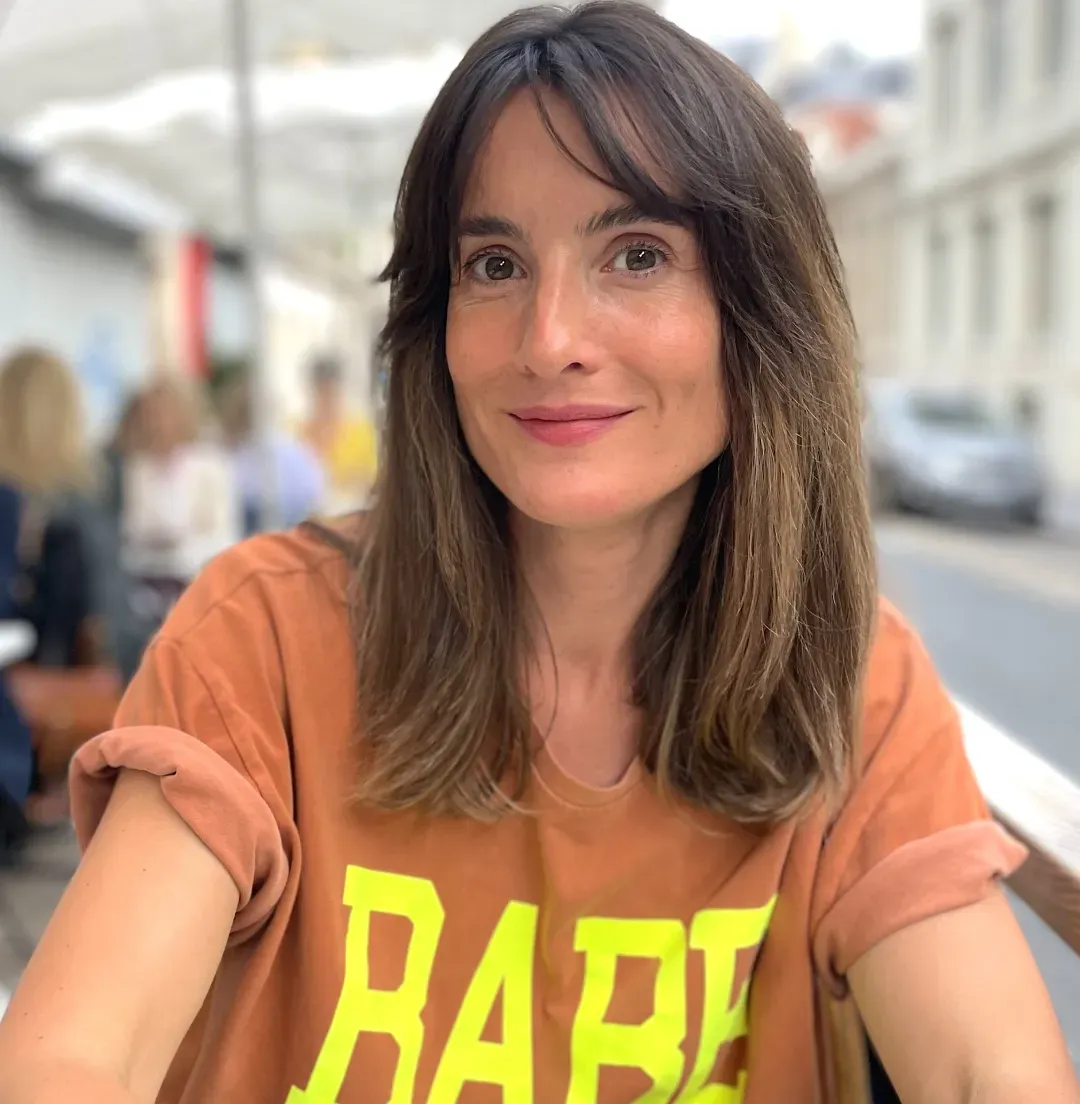
“Jinko works hard to understand patients’ needs as closely as possible and knows how to support them at the right time, in the right way. Doctors need people to take over from them, and it is a very good thing that Jinko has taken this initiative.”