Gustave Roussy: Turning the vulnerability "debt" into survival gains with the PRO.GNO.SIS project
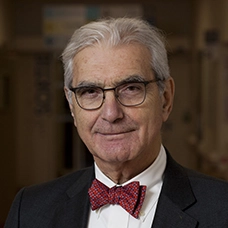
Insights from Dr Papageorgiou and Christine Mendes (coordinating nurse) on the operational roll-out of the PRO.GNO.SIS project.

Treating the tumour is no longer enough if the patient collapses alongside it. Malnutrition, anxiety, financial hardship: these silent vulnerabilities undermine the effectiveness of treatment. Yet screening for them is still too inconsistent, depending on the doctor's habits or the time available in consultation. With the PRO.GNO.SIS project, led by Dr Loula Papageorgiou and Prof. Florian Scotté, Gustave Roussy is making an industrial-scale break with the past. The goal? To systematise the detection of vulnerabilities through data before any specific treatment begins. A look inside an organisation where technology equips caregivers to anticipate emergencies.
1. The End of "As It Comes": Moving from reaction to prediction
Until now, referral to supportive care depended largely on each referring doctor's "habits", leading to inconsistent care. The starting point is clinical: waiting until a symptom becomes loud before treating it is a lost opportunity for the patient.
To reverse this logic, IGR's DIOPP set up the PRO.GNO.SIS scheme (Prevention of complications and Organisation of Supportive Care). The method is based on a digital self-assessment questionnaire sent via the Nouveal solution as soon as the diagnosis is announced.
Here, "data" acts as an early-warning radar. Over the period analysed, 61% of the 5,308 patients targeted completed the questionnaire. This response rate brought nearly 6,200 vulnerabilities to light. The algorithm thus reveals needs that often remain "invisible" in a consultation focused purely on oncology, particularly psychological (1,021 alerts) and nutritional (1,304 alerts) needs.
Triage is then algorithmic and immediate:
- 0 alerts: Information via the Meeting and Information Space (ERI).
- 1 alert: Targeted consultation (e.g. dietitian).
- 2 or more alerts: Referral to the assessment Day Hospital (HDJ).
Why was the critical threshold set at two alerts?

As a result, 40% of patients (those with 2+ alerts) are referred to the assessment Day Hospital (HDJ).

2. The Assessment Day Hospital: The human pivot
The algorithm detects, but it is people who provide care. At the heart of the scheme, we met Christine Mendes, coordinating nurse. She is the human face behind the data, providing the vital link between Day Hospital patients, hospital practitioners and community care.
The effectiveness of this model rests on a key indicator: time. The team aims for a delay of around 2 weeks between the questionnaire response and the visit to the Day Hospital. This responsiveness is crucial so that the "snapshot" of the patient's needs is still reliable on the day of the consultation.

The other major asset is having everything in one place. Within the Gustave Roussy ecosystem, the patient has access on a single site to multidisciplinary expertise: doctor, nurse, dietitian, adapted physical activity instructor, psychologist and addiction specialist.
However, the Day Hospital and the hospital cannot absorb all needs immediately because of the limited availability of staff. Christine Mendes plays an essential pivotal role here: if a need goes beyond what is available on site (e.g. severe social hardship), she brings in the IGR social worker or ensures the link between hospital and community (associations, town halls, care coordination services) to guarantee that care continues once the patient is back home.
3. Proof of Value: Clinical, Human and Economic
Industrialising supportive care delivers a double proof of value, for both the patient and the institution.
For patients and carers: A sense of securityFeedback from the field is excellent. Patients, as well as their carers, report a feeling of "security". They feel listened to as a whole person and not reduced to their condition. Moreover, follow-up is not arbitrarily limited in time: if the clinical need persists beyond 6 months, support continues.
On the clinical side, the report highlights a strong signal: the stability of the quality-of-life score (EQ5D-VAS) between inclusion (M0) and the 3- and 6-month assessments. In the context of early cancer and heavy treatment, managing not to degrade quality of life is a first therapeutic victory.
For the hospital: Efficiency
Christine Mendes sets out a pragmatic equation: "A malnourished patient who receives nutritional care early, and if needed before oncological treatment starts, is a patient who will tolerate their treatment better…" Anticipation aims to reduce complications, emergency department visits and avoidable hospital stays. Supportive care thus becomes a lever for organisational performance.
4. Real-world challenges: Technical complexity and the digital divide
Rolling out such a scheme on an industrial scale is not without its difficulties. The report and the teams are fully transparent about the obstacles encountered.
The challenge of technical agility
Connecting an external solution (Nouveal) to the legacy hospital information system (Simbad) requires constant vigilance. Adjusting an alert score or rewording a misunderstood question requires complex coordination between clinical teams, IT and the provider. Despite these challenges, Dr Papageorgiou highlights the model's efficiency: "The digital tool enabled a large number of new patients to self-assess and be referred quickly and effectively at the time of diagnosis."
Digital inclusion
With 39% of non-respondents (or non-recipients), the digital divide is a reality. To leave no one behind, people remain the safety net:
- Tablets in waiting rooms are planned to "catch" patients on site before their consultation.
- The vigilance of medical secretaries and oncologists makes it possible to identify manually those who have slipped through the digital net.
Conclusion: Promising results under scientific scrutiny
The PRO.GNO.SIS project shows that it is possible to structure screening on a large scale to better personalise human support. The organisation has also become smooth thanks to "the experience of the teams and the trust of referring doctors", says Dr Papageorgiou, announcing an upcoming roll-out in haematology.
Nota bene: Final scientific validation is under way through the PRO-ACT clinical study. This prospective cohort, currently being analysed, will soon deliver its detailed conclusions on long-term impact.
Source: PRO.GNO.SIS Final Report (2022-2024): "Prevention of complications and Organisation of Supportive Care", funded by ARS Île-de-France as part of the Organisational Innovations call for projects.

Satisfied patients and doctors
“Jinko is my new haven of peace.
The kindness, the listening, the care, the follow-up, the practitioners… The nurses are very attentive, always ready to help, to improve the follow-up and adapt it. Jinko helps me every day: I have been able to take up (adapted) physical activity again and take back control of my body.
Thank you to the whole team who welcomed me into the care pathway.”
“Jinko is a precious, essential and beneficial resource for anyone living with cancer or in remission. The care pathway offered is tailored to my needs, I discovered new therapies, and the network of selected practitioners is of very high quality: attentive, empathetic, supportive, caring… Thank you to the whole Jinko team for your commitment, your support, your humanity and the strength you give us!”
“Jinko was a precious support for me during my cancer treatment, filling the gaps that often exist in medical follow-up. The team stands out for its empathy, compassion and commitment to supporting patients in every aspect of their lives, during and after treatment. Thank you to Sophie and the whole team for their exceptional humanity and unmatched availability.”

“Jinko works hard to understand patients’ needs as closely as possible and knows how to support them at the right time, in the right way. Doctors need people to take over from them, and it is a very good thing that Jinko has taken this initiative.”