Transforming the system: Behind the scenes of Onco'Link's generalisation
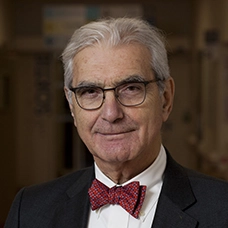
Sandrine Boucher shares her experience of the operational roll-out and the challenges of generalising the Onco'Link Article 51 scheme.

On 6 November 2025, the Onco'Link scheme, led by Unicancer, received a favourable opinion for its generalisation. A decisive step in structuring the shift to outpatient care in oncology, crowning years of work to keep patients safe at home.
But behind this institutional victory, what levers made it possible to convert the try? And what challenges remain to move from experiment to national standard?
We spoke with Sandrine Boucher, Director of Medical Strategy at Unicancer. She reflects on the strength of the collective and her vision of a model adapted to "real life", while we cross-reference her view with the findings of the final evaluation report.
1. Strength in numbers: How the alliance made scaling up possible
If Onco'Link managed to enrol more than 13,800 patients, it was not the work of a single player. It was the result of an unprecedented alliance.
As early as 2018, faced with the boom in oral therapies, several major players (AP-HP, the Hospices Civils de Lyon, Brest University Hospital) shared the same intuition: care had to move beyond the hospital walls. Rather than spreading their efforts, these players rallied under a single banner led by Unicancer, bringing together 41 sites with very different profiles.
This critical mass was decisive. By bringing together 41 hospitals and 5,500 community care professionals, Onco'Link provided the statistical evidence needed to validate the economic model with the authorities.
2. Choosing "Real Life": Agility as a strategy
Unlike other experiments that imposed a single digital platform, Onco'Link chose to adapt to the tools already in place in each facility.
For Sandrine Boucher, this flexibility was a sine qua non for bringing on board facilities with very different realities.

While this strategy encouraged rapid buy-in, the evaluation report adds a technical downside: fragmentation that creates an administrative burden for teams. The challenge for the next 18 months will therefore be to structure interoperability to make exchanges smoother without losing the agility that made the launch a success.
3. Pharmacists and Doctors: Building tomorrow's team
The model succeeded in creating a strong Hospital ↔ Community Pharmacist axis. The coordination rate reached 72%, validating the "peer-to-peer" strategy.
"Exchanges between peers work", confirms Sandrine Boucher. When a hospital pharmacist calls their community counterpart, trust is immediate.
On the other hand, the evaluation report highlights a point of concern regarding GPs, whose participation remains lower (10.8%). Often for lack of time or suitable tools, they struggled to integrate into the scheme. The future challenge will be to find the right levers to bring them back into the information loop, without adding to their administrative workload.
4. AKO@DOM-PICTO & Onco'Link: Towards complementary models
The other good news is that the "sister" experiment, AKO@DOM-PICTO, also received a favourable opinion.
- Onco'Link validated the power of pharmacist follow-up for independent patients.
- AKO@DOM-PICTO demonstrated the relevance of home visits by community nurses for vulnerable patients.
For Sandrine Boucher, this is not competition, but an asset for future ordinary law.

We are now entering an 18-month "transition period". The goal now is to merge these lessons to build a modular model, adapted to each patient's level of vulnerability.
5. Speeding up innovation
Onco'Link began its thinking in 2018. Its effective generalisation is expected around 2027-2028. This long timeframe is unavoidable to validate a new model scientifically and economically, but it leaves patients waiting.
"Between the moment you submit the letter of intent and the moment you are generalised, 10 years go by", observes Sandrine Boucher.
For the future, she mentions ideas such as creating an "Early Organisational Access" scheme, which would allow what works to be rolled out faster without waiting for every administrative cycle to end. An opportunity in which private and industrial players could also play a supporting role to shorten the time to access innovation and not leave patients on the threshold of progress.
Conclusion: Converting the try
Onco'Link has proven that hospital-community cooperation is possible and effective on a large scale. The coming 18 months are crucial: the task now is to consolidate the human achievements with high-performing technical tools (interoperability) to make this experiment the new standard of care in oncology.
Sources:
Satisfied patients and doctors
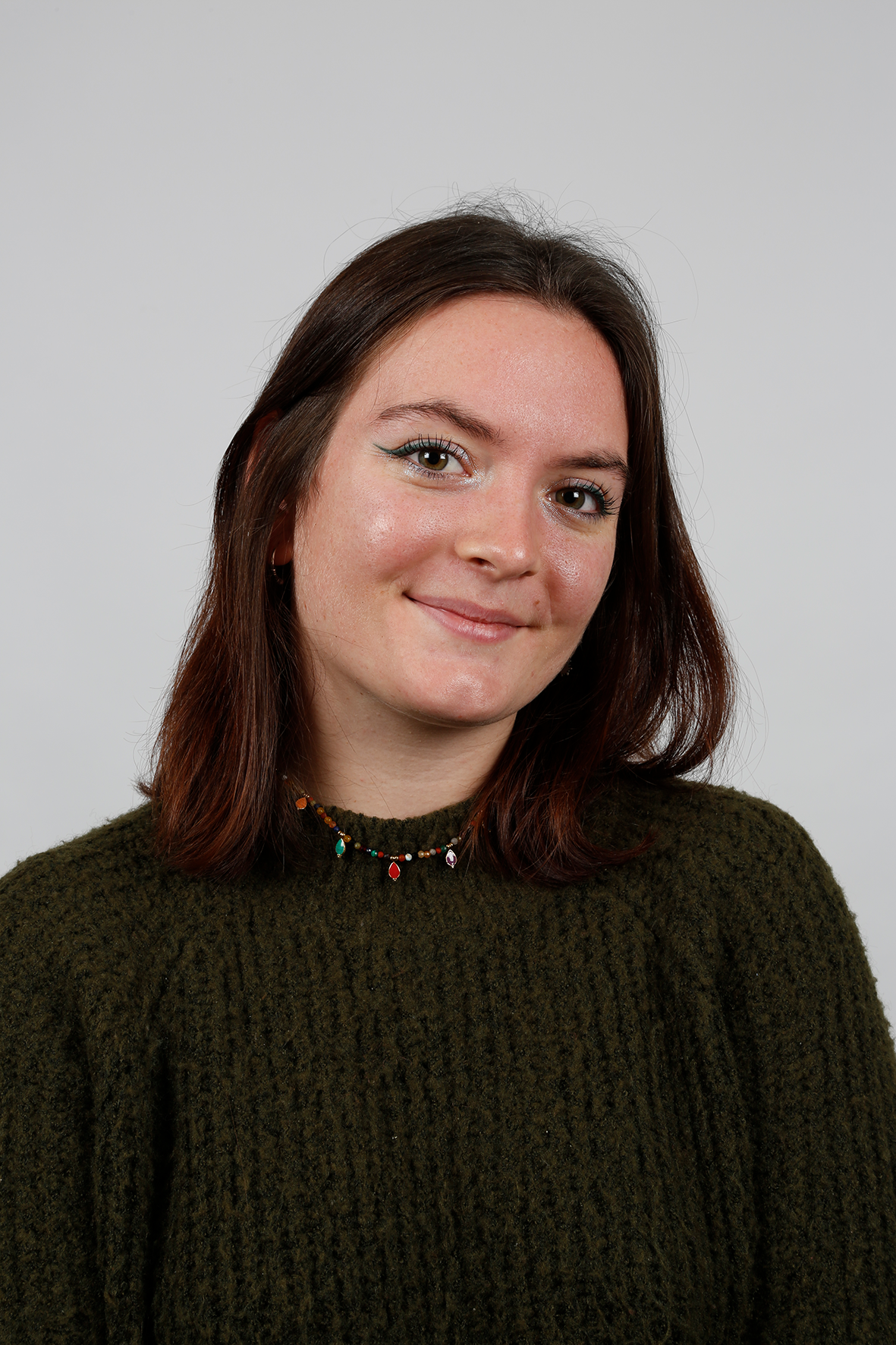
“Jinko is my new haven of peace.
The kindness, the listening, the care, the follow-up, the practitioners… The nurses are very attentive, always ready to help, to improve the follow-up and adapt it. Jinko helps me every day: I have been able to take up (adapted) physical activity again and take back control of my body.
Thank you to the whole team who welcomed me into the care pathway.”
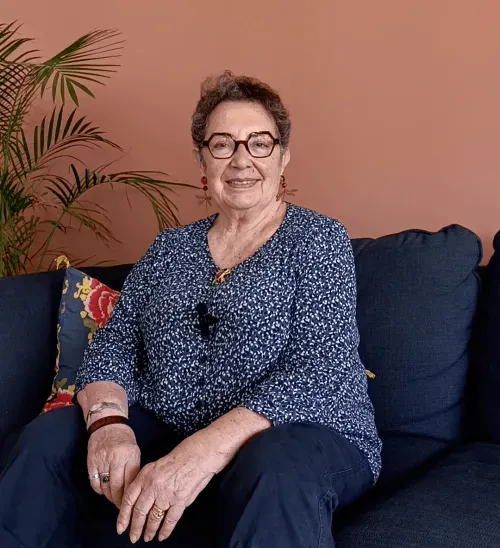
“Jinko is a precious, essential and beneficial resource for anyone living with cancer or in remission. The care pathway offered is tailored to my needs, I discovered new therapies, and the network of selected practitioners is of very high quality: attentive, empathetic, supportive, caring… Thank you to the whole Jinko team for your commitment, your support, your humanity and the strength you give us!”
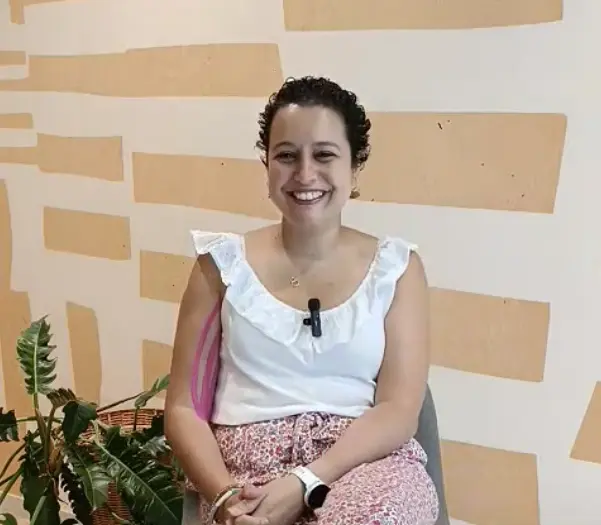
“Jinko was a precious support for me during my cancer treatment, filling the gaps that often exist in medical follow-up. The team stands out for its empathy, compassion and commitment to supporting patients in every aspect of their lives, during and after treatment. Thank you to Sophie and the whole team for their exceptional humanity and unmatched availability.”
“Jinko works hard to understand patients’ needs as closely as possible and knows how to support them at the right time, in the right way. Doctors need people to take over from them, and it is a very good thing that Jinko has taken this initiative.”